Icelandic Sheep: 5 Facts!

Eleanor
| 02-11-2026
 · Animal Team
Icelandic sheep are more than familiar farm animals in Iceland’s rugged countryside. Their thick coats, distinctive horns, and long history reflect their adaptation to a demanding northern environment.
Their wool comes in various natural shades and consists of two types of fiber. These five fascinating facts reveal how their physical traits and seasonal habits help them thrive in Iceland’s changing landscape.
Their Wool Contains Two Types of Fiber
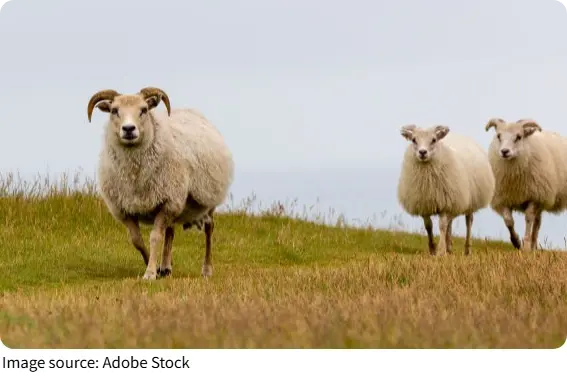
One of the most interesting features of Icelandic sheep is their double-coated fleece. It contains two different types of wool fibers, commonly known as tog and thel.
Tog is the longer, coarser outer fiber. It helps shed moisture and provides a protective layer against wind and challenging weather. Thel is the finer, softer undercoat, which helps trap insulating air close to the body. Together, these fibers create a fleece suited to Iceland’s cool, often windy conditions.
The two fiber types also have different uses in traditional wool crafts. The longer fibers can provide strength and texture, while the softer fibers are useful for making warm garments. When combined during spinning, they can produce a versatile yarn with both durability and softness. This natural combination is one reason Icelandic wool is valued by knitters and textile enthusiasts.
They Come in Many Natural Colors
Although white Icelandic sheep are familiar, their fleece can range in color from a surprisingly broad range of natural shades. These include black, brown, gray, and several mixed shades, sometimes with distinctive markings.
The colors result from inherited genetic traits rather than artificial coloring. Individual sheep may have solid-colored fleece, contrasting patches, or mixtures of light and dark fibers. Even animals within the same flock can look noticeably different. For people who work with wool, this variety offers creative possibilities.
Naturally colored fibers can be spun into yarn without first being dyed, allowing their original shades to remain visible in finished textiles. Their appearance is not limited to fleece color, either. Some Icelandic sheep have horns, while others are naturally hornless. Horn shape and size can vary, adding to the breed's visual diversity.
They Are a Distinctive Icelandic Breed
Icelandic sheep belong to a traditional northern European sheep type that has developed over many generations in Iceland. Their characteristics reflect a long period of adaptation to local conditions, including cool weather and varied terrain.
They are generally medium-sized animals with sturdy bodies and thick fleece. Their compact build and insulating coats help them cope with seasonal changes, while their grazing habits suit open countryside where vegetation varies with the landscape.
The breed is also known for its distinctive appearance. A relatively short tail, a broad range of fleece colors, and the presence of horns in many animals help distinguish Icelandic sheep from some other familiar breeds. Their development in Iceland has made them an important part of the country’s rural landscape and traditional textile heritage.
Their Thick Coats Change With the Seasons
Icelandic sheep have a fleece that grows through the year, helping them adjust to changing temperatures. Their wool becomes particularly important during colder periods, when wind, damp weather, and low temperatures can make outdoor conditions challenging.
The two-layer structure of their fleece provides different kinds of protection. The longer outer fibers help shield the softer undercoat, while the fine inner fibers trap air that slows the loss of body heat. This arrangement provides insulation without requiring the animal to rely on a single hair type.
As warmer weather approaches, Icelandic sheep naturally shed much of their winter fleece. This seasonal process helps them adapt to rising temperatures. The timing and amount of shedding can vary between individuals, depending on factors such as age, health, and environmental conditions.
Their coats demonstrate how a natural adaptation can serve different purposes throughout the year. Rather than remaining equally thick in every season, the fleece follows a cycle that suits the changing environment.
They Have a Strong Connection to Icelandic Knitting
Icelandic sheep are closely connected to one of Iceland’s best-known textile traditions: wool knitting. Their distinctive fleece is used to create lopi, a type of wool preparation associated with traditional Icelandic garments.
Lopi yarn is often made using fibers from both the outer and inner coats. The resulting yarn is relatively lightweight while offering useful insulation, making it suitable for sweaters, hats, mittens, and other cold-weather clothing.
The traditional Icelandic sweater, known as the lopapeysa, is especially recognizable for its patterned band around the shoulders and upper chest. Although knitting styles vary, this garment has become closely associated with Icelandic craft and design.
The natural range of fleece colors also gives textile makers plenty of options. White, gray, brown, and darker fibers can create interesting patterns even without dye. By combining practical materials with distinctive designs, Icelandic wool has maintained an important place in the country’s creative traditions.
Icelandic sheep stand out because of the combination of traits that make them well suited to their environment. Their two-layer fleece provides insulation and weather protection, their natural colors offer remarkable variety, and their seasonal coat changes help them adjust to shifting temperatures.
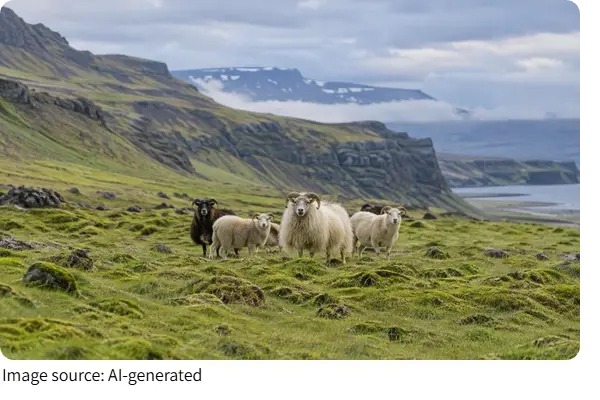
Beyond their physical adaptations, these sheep are closely connected to Iceland’s rural heritage and wool-working traditions. Their fleece continues to inspire garments that balance warmth, comfort, and distinctive design.
For anyone interested in animals or natural fibers, Icelandic sheep offer a fascinating example of how a breed’s physical characteristics can influence both its environment and the crafts associated with it. Their story connects the natural world with a lasting tradition of practical creativity.