Power Outlet Bar Basics

Mariana Silva
| 07-08-2026
 · Lifestyle Team
Hi, Readers! A power bar can seem like a tiny hero on the floor, quietly feeding life to lamps, chargers, and that one gadget with a cable shorter than your patience.
But this handy helper is not a magic tunnel for endless electricity. If you load it like a closet stuffed with winter coats, trouble can show up fast.
The U.S. Consumer Product Safety Commission explains that power bars are designed to supply power to low-current devices such as lamps, computers, monitors, printers, and audio equipment. They are not all built the same, and one of the biggest safety basics is knowing what belongs on a bar and what absolutely does not. High-current heat-producing appliances can overload a bar or extension device and create serious fire risk. That means space heaters, hair styling tools, and similar appliances should go directly into a wall outlet.
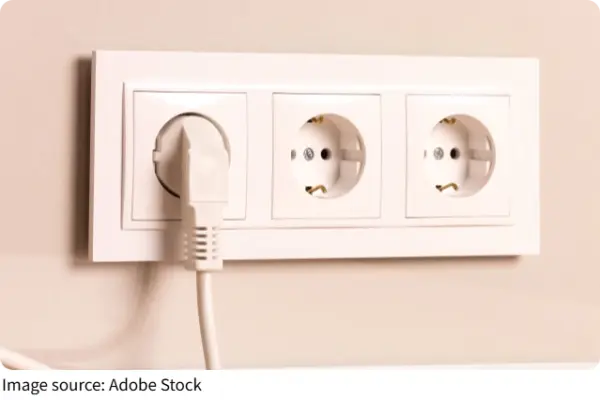
Know What a Bar Can Handle
A power bar has limits, just like a backpack. You can carry books and a laptop just fine, but toss in a brick collection and the zipper starts begging for mercy. In the same way, plugging in several small electronics may be fine, while plugging in devices that draw a lot of current is not. Before use, check the rating on the bar. The safety guidance stresses using products that are certified by a recognized testing laboratory. That mark is like a backstage pass saying the product has at least gone through proper checks.
If the bar includes a circuit breaker, that can provide extra protection by cutting power if the load gets too high. Still, that is not an invitation to pile on more devices than common sense allows. A breaker is a seatbelt, not a stunt pass.
What Should Not Be Plugged In
The clearest rule is also the easiest to forget during a busy day. Do not plug major heat-producing appliances into a power bar. These devices demand a lot of current and should be connected straight to a wall outlet. The guidance also warns against plugging one power bar into another, a practice often called daisy chaining. That setup can stack risk quickly because it increases the chance of overloading the circuit.
Extension cords and power bars are for temporary or limited use, not as permanent wiring. If you regularly need many outlets in one spot, it may be time to have a qualified electrician install additional outlets. It is a lot smarter than turning your living room corner into a spaghetti nest of cords.
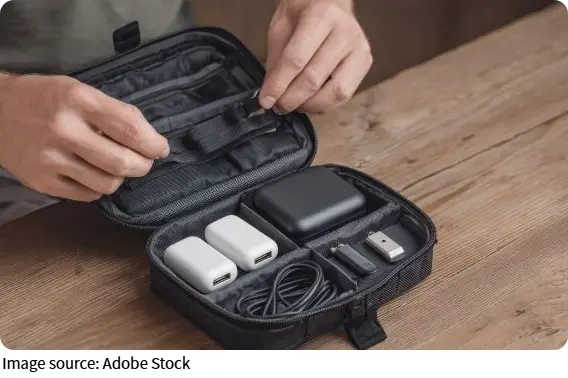
Placement Matters Too
Even if the load is reasonable, poor placement can create problems. Power bars should be used in dry locations unless they are specifically rated for outdoor use. Keep them where air can circulate, and do not cover them with rugs, furniture, or other materials. Electricity and trapped heat together are like two grumpy neighbors sharing a fence. They rarely make life easier.
Also inspect the bar before using it. If it is damaged, cracked, loose, or feels unusually hot during use, stop using it. A bar that looks tired and acts cranky is not being dramatic. It is waving a red flag.
Simple Safe Habits at Home
Use the bar only for devices it is meant to serve, and follow the manufacturer instructions. Insert plugs firmly. Keep cords arranged so they are not pinched in doors, tucked under carpets, or stretched where people walk. Those habits may seem small, but they are the home-safety version of putting your keys in the same place every day. Tiny routine, huge payoff.
It also helps to unplug items when not in use if appropriate, especially if a device is damaged or acting strangely. And if you need surge protection for electronics, make sure the product is actually a surge protector, not just a basic outlet multiplier pretending to be more impressive than it is.
In short, home power bar safety comes down to respecting load limits, keeping high-current appliances out of the mix, avoiding daisy chains, and using only properly certified products in good condition. Give your power bar a reasonable job instead of asking it to run a marathon in flip-flops, and your home setup will be much safer. If you want, take a quick look around your room today and check whether your bar is working smart or working way too hard.