Spring Floral Decor Guide

Mason O'Donnell
| 26-04-2026
 · Plant Team
There's a particular kind of energy that walks into a room with fresh flowers in it. The air feels different.
The whole space looks more intentional, more alive, more like someone actually thought about it.
Spring is the best season to tap into this because the variety of flowers available — from tulips and ranunculus to cherry blossom branches and sweet peas — is at its widest and most affordable.
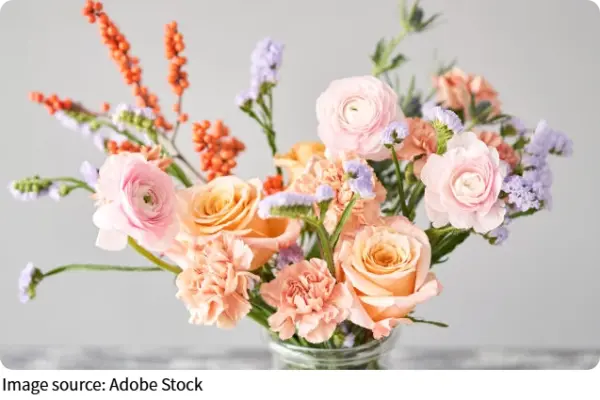
The good news is that creating arrangements that look genuinely beautiful doesn't require a florist's training. It requires knowing a few key principles and then trusting your eye. Here's everything you need to get started.
Choose Your Color Story First
The most common mistake in DIY floral decoration is buying flowers you love individually and then wondering why they don't look cohesive together. Before you buy anything, decide on a color palette — and keep it tight. Spring arrangements tend to work best with one of three approaches:
1. Monochromatic — different flowers in the same color family, such as blush pink ranunculus, pale pink tulips, and white anemones with dark centers
2. Complementary contrast — two colors that sit opposite each other on the color wheel, such as deep purple sweet peas against soft yellow mimosa
3. Soft and neutral — creamy whites, greens, and very pale pastels that work in any room and never clash with surrounding decor
Adding plenty of greenery — eucalyptus, fern fronds, olive branches, or even supermarket herbs like rosemary — pulls any combination together and gives the arrangement visual breathing room.
The Best Spring Flowers to Work With
Not all spring flowers behave the same way in an arrangement, and knowing their personalities helps you use them well:
1. Tulips are beautiful but keep moving after cutting — they continue to grow and bend toward light, so place them where that movement adds to the design rather than disrupts it
2. Ranunculus are the florist's secret tool— layered, full, and long-lasting, they look expensive and hold their shape well in arrangements
3. Dahlias are the showstoppers — buy them in tight bud and watch them open over three to four days into something spectacular
4. Sweet peas trail naturally and add a soft, loose quality that makes arrangements feel garden-fresh rather than stiff
5. Cherry blossom branches create instant drama and scale — a single branch in a tall vase is a complete arrangement on its own
6. Anemones with their dark centers add contrast and depth to softer color palettes
Arranging Techniques That Actually Work
Professional florists use a grid technique — tape across the mouth of the vase in a grid pattern to support stems and keep them in position. At home, crossing stems inside the vase achieves the same result. The key principle is to build in layers: start with your largest, heaviest flowers in the center, add medium blooms to fill out the shape, then use trailing or lighter flowers at the edges to soften the outline.
Cut stems at a 45-degree angle — this maximizes the surface area for water absorption and significantly extends vase life. Remove any leaves that would sit below the waterline — submerged foliage rots quickly and clouds the water, which shortens the life of everything in the vase.
Change the water every two days and re-cut the stems by a centimeter each time. This simple habit can double how long your arrangement lasts.
Where to Place Spring Arrangements for Maximum Impact
Placement matters as much as the arrangement itself. A few spots where spring flowers genuinely transform a space:
1. Entryway or hallway — the first thing people see when they walk in, and even a small arrangement here changes the entire feeling of arriving home
2. Kitchen or dining table — low, wide arrangements work best here so they don't block conversation across the table
3. Bathroom countertop — a tiny bud vase with three stems is enough, and it feels unexpectedly luxurious
4. Windowsill — backlit by natural light, even the simplest flowers look extraordinary
Making Arrangements Last Longer
1. Keep flowers away from direct sunlight, heating vents, and ripening fruit — ethylene gas from fruit accelerates wilting significantly
2. Use lukewarm water rather than cold — most flowers absorb it more efficiently
3. Add a small pinch of sugar to the water as a natural flower food if you don't have commercial preservative sachets
4. At night, move arrangements to a cooler room — lower temperatures slow the aging process considerably
Spring decoration doesn't need to be elaborate or expensive to be genuinely beautiful. One well-chosen vase, a thoughtful color palette, and flowers cut and placed with a little intention — that's all it takes to make a space feel like the season has actually arrived inside it.