Holiday Decor

Mukesh Kumar
| 10-04-2026
 · Lifestyle Team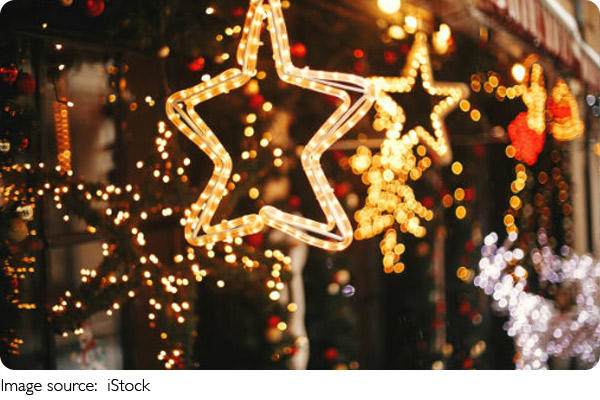
A few days before winter reaches its quiet peak, you notice a familiar shift in neighborhoods and living rooms.
Small lights begin appearing in windows, subtle changes gather on tables and walls, and spaces that once felt ordinary start carrying a different kind of warmth.
The transformation is not sudden or dramatic, but gradual—built through small decorative choices that slowly reshape how a room feels at night.
Light as the foundation of atmosphere
Lighting is the first element that defines holiday decoration. Before any objects or colors are noticed, it is the quality of light that changes perception of space.
Common approaches include:
1. Soft warm lighting that reduces harsh contrast in indoor environments.
2. Layered light sources that create depth instead of a single bright point.
3. Small directional lights that highlight specific areas rather than the entire room.
In a small townhouse in Edinburgh, a local café owner places simple string lights across the window each year, not for brightness but for consistency. Regular customers often mention that the glow makes early evenings feel more welcoming, especially during long winter nights.
Color selection and visual rhythm
Color plays a central role in shaping seasonal identity. Holiday decoration often relies on a limited palette that creates cohesion rather than visual overload.
Key color relationships include:
1. Warm tones such as soft red and amber that create a sense of closeness.
2. Neutral tones like white or natural wood that provide balance.
3. Deep green accents that connect indoor space with outdoor winter landscapes.
When these colors are used together, they form a visual rhythm that feels intentional rather than scattered. The goal is not to fill space but to guide the eye gently across it.
Natural elements and material texture
Many holiday decorations incorporate natural materials that introduce texture and grounding into indoor environments. These elements often create a contrast with smooth interior surfaces.
Typical materials include:
1. Evergreen branches that retain structure and color throughout the season.
2. Pinecones that add irregular texture and organic variation.
3. Wooden ornaments that introduce warmth through grain and surface detail.
A small family-run bakery in Vermont often places simple evergreen arrangements near its entrance every winter. Customers describe how the scent and texture together create an immediate sense of seasonal arrival, even before stepping inside.
Spatial arrangement and visual balance
How decorations are placed is often more important than how many are used. Balanced arrangement helps avoid visual fatigue while maintaining a sense of cohesion.
Effective spatial strategies include:
1. Concentrating decorative elements in focal zones such as tables or entry points.
2. Leaving intentional empty spaces to allow visual rest.
3. Aligning decorations with existing furniture layout rather than covering all surfaces.
This approach allows decoration to feel integrated rather than added on. A well-arranged space feels naturally transformed rather than artificially filled.

Personal objects and memory integration
The most meaningful decorations are often those that carry personal history. These items do not need to be elaborate; their value comes from association rather than design complexity.
Examples include:
1. Ornaments collected over multiple years from different places.
2. Handmade items that reflect specific moments or relationships.
3. Simple objects reused each season, gaining meaning through repetition.
Over time, these items become part of seasonal memory structure. Each year, placing them in the same location reinforces a sense of continuity that goes beyond visual decoration.
Shared space and emotional atmosphere
Holiday decoration is not only about individual rooms but also about shared environments. The arrangement of space influences how people interact within it.
Key effects include:
1. Softer lighting that encourages longer conversations in shared areas.
2. Familiar seasonal objects that create common reference points.
3. Subtle environmental cues that shift daily routines into slower rhythms.
In a small neighborhood library in Oslo, simple paper star decorations are placed each winter. Visitors often note that the quiet atmosphere feels slightly more reflective during this period, even though the layout of the space remains unchanged.
There is a quiet consistency to seasonal decoration: it does not change the structure of a room, only how that room is experienced. A table, a window, or a corner becomes more noticeable not because it is different, but because attention is guided there through light, color, and memory. Over time, these small adjustments create an environment that feels less like a decorated space and more like a familiar place gently entering a different season.