Timeless Wall Elegance

Mason O'Donnell
| 09-04-2026
 · Lifestyle Team
Walking into a room and glancing at a wall, have you ever noticed how a clock quietly draws your eye, even when it's just ticking in the background?
Wall clocks do more than mark hours—they reflect taste, spark conversation, and anchor a room's aesthetic.
Whether you're sipping morning coffee or hosting friends, the right clock can subtly shape how the space feels.
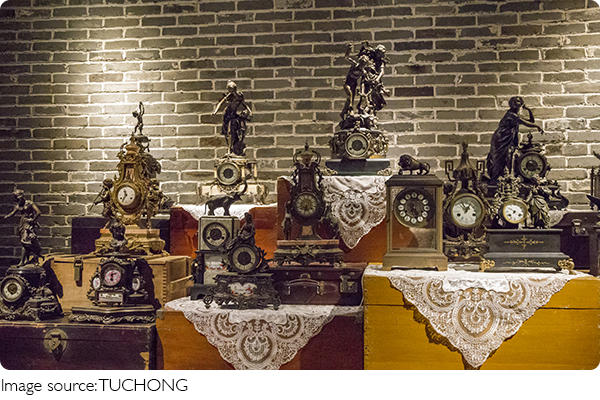
Function Meets Design
A wall clock is fundamentally a timekeeper, but its presence can define the room's character. Traditional round clocks with clean numerals convey clarity and order, perfect for home offices or kitchens where precision matters. On the other hand, oversized statement clocks with sculptural frames or artistic hands act as centerpiece décor, drawing attention even when no one checks the time. For instance, a sunburst clock in a living room immediately adds mid-century flair, while a minimalist black-and-white clock enhances a modern, sleek environment.
Choosing the Right Size and Scale
The size of a clock can make or break its impact. A small clock on a wide, empty wall risks being overlooked, whereas a massive clock can dominate the space, establishing itself as art. A practical guideline is to choose a clock that occupies roughly one-third of the wall's visible width in a living area. In a narrow hallway, a vertical clock or a long, rectangular design can complement the elongated space without overwhelming it. Matching scale with surrounding furniture also helps. For instance, a large wooden clock above a console table creates balance, while a cluster of smaller clocks can fill an empty gallery wall with visual interest.
Material and Texture
Material selection transforms a simple timepiece into a statement piece. Wooden clocks exude warmth, ideal for rustic or Scandinavian interiors, while metal frames bring an industrial edge to lofts or modern apartments. Glass or acrylic clocks offer sleekness and lightness, reflecting natural light to keep the room feeling airy. Some clocks combine textures—like metal hands on a wooden face—creating dynamic layers that engage the eye. Consider the room's overall materials and textures: pairing a metallic clock with soft fabrics or natural wood furniture can introduce a harmonious contrast.
Color and Contrast
Color plays a pivotal role in making a clock pop. A bright-colored clock on a neutral wall can serve as an accent, instantly energizing a living space. Conversely, neutral tones such as black, white, or muted pastels create cohesion, blending the clock seamlessly with the décor. One practical approach is to pick a clock color that either complements dominant wall colors or contrasts sharply for emphasis. For example, a teal clock against a cream wall brings vibrancy without feeling out of place, while a metallic gold clock on a dark charcoal wall elevates sophistication.
Placement and Visibility
Positioning is as critical as design. A clock above a fireplace, sideboard, or bedhead naturally becomes a focal point. At eye level in kitchens or studies, it ensures easy readability without disrupting visual flow. In unconventional spaces like staircases or alcoves, clocks can break monotony and guide the gaze upward. Lighting also affects perception; placing a clock near natural light or under a soft wall lamp can highlight its design and shadows, turning functionality into art.
Mixing Styles for Personality
Don't be afraid to experiment. Pairing a vintage clock with contemporary furniture can introduce warmth and character. Gallery walls featuring framed art alongside smaller clocks create dynamic rhythm and storytelling. For children's rooms, thematic clocks—like clouds, animals, or geometric patterns—can make learning time fun while enhancing décor. Layering different shapes, materials, and scales encourages a playful yet thoughtful approach to home styling.
Ultimately, a wall clock is more than a practical tool—it's an extension of personality and design sensibility. The perfect clock harmonizes with the room, balances scale and color, and draws subtle attention without shouting. Next time you pass a wall, consider its potential: the right clock can quietly transform your space, turning everyday moments into a curated experience. Choose a timepiece that not only marks hours but also marks your style.