Future of Senior Care

Amit Sharma
| 22-03-2026
 · Lifestyle Team
As populations around the world age rapidly, the senior care industry has emerged as one of the most dynamic sectors of the global economy.
Far from being a niche service, elderly care now encompasses medical support, lifestyle services, technology enabled solutions, and community based living models that address the full spectrum of aging needs.
Fueled by demographic shifts and changing expectations of quality of life, the industry's future looks both promising and transformative.
Demographic Drivers of Growth
The aging of populations in developed and developing regions alike is the fundamental force fuelling the senior care industry's expansion.
The number of older adults — especially those aged 65 and over — is increasing dramatically. This trend stems from longer life expectancy and declining birth rates, resulting in a larger proportion of seniors in national populations. By 2050, the global population aged 60+ is projected to double from 2020 figures, creating unprecedented demand for care services.
At the same time, older adults increasingly prioritize independence and comfort, choosing solutions that allow them to live well — whether at home, in community settings, or in specialized residences.
Market Size and Economic Expansion
As demand rises, the senior care sector continues to grow into a trillion dollar market.
Mary Furlong, an authority on the longevity economy and CEO of Mary Furlong & Associates, states that the "longevity marketplace" represents a tremendous opportunity for corporations and investors to create specialized business development and marketing strategies tailored to the unique needs of the baby boomer generation.
Key factors shaping this expansion include:
• Home care dominance – With many older adults preferring to age in place, home based care accounts for more than half of current industry revenues.
• Growth in assisted living and residential care – Specialized facilities remain essential for seniors with high care needs.
• Technology enabled services – Telehealth, remote monitoring, and smart technologies are becoming core components of modern care models.
These trends suggest that senior care is not only about meeting basic needs but also about improving comfort, independence, and quality of life — all of which contribute to market value growth.
Innovation and Technology Integration
The future of elderly care is increasingly tied to technology — not just in clinical settings but in everyday life.
Technology integration is reshaping how services are delivered and experienced:
• Telemedicine and remote monitoring enable health tracking without frequent clinic visits, reducing hospitalizations.
• Wearables and smart home devices help track vital signs, detect falls, and support medication adherence.
• AI and digital platforms facilitate personalized care plans and family communication.
These innovations help bridge workforce shortages — a persistent challenge in elder care — by improving efficiency while enhancing safety and independence for seniors.
New Care Models and Community Solutions
Today's senior care industry is evolving beyond traditional nursing homes toward diverse living arrangements that reflect seniors' preferences and lifestyles.
Emerging models include:
• Independent and assisted living communities — offering social engagement, wellness programs, and tailored support.
• Integrated community living — mixed use developments with retail, fitness, and recreational amenities that foster vibrant senior lifestyles.
• Age in place support systems — combining home modifications with technology and caregiving services to help seniors live in familiar surroundings longer.
This diversification reflects a broader industry shift toward person centered care that prioritizes autonomy, social connection, and well being.
Challenges and Strategic Opportunities
Despite strong growth trends, the senior care industry faces several structural hurdles:
• Workforce shortages and retention issues — recruiting and training qualified caregivers remains difficult.
• Affordability and access — high costs of quality care and housing continue to be barriers for many families.
• Regulatory and funding complexities — evolving public policies around healthcare coverage and reimbursement create uncertainty.
However, these challenges present strategic opportunities for innovation, investment, and policy collaboration. For example, scalable technology solutions and integrated care models can reduce operational costs while enhancing outcomes.
Looking Forward: A Sector Transformed
The senior care industry is positioned at the intersection of demographic change, technological transformation, and social innovation. As the global population ages, demand for personalized, flexible, and high quality care solutions will continue to rise.
Operators who embrace innovation, invest in workforce development, and design care environments that respect autonomy and dignity will be best positioned for long term success.
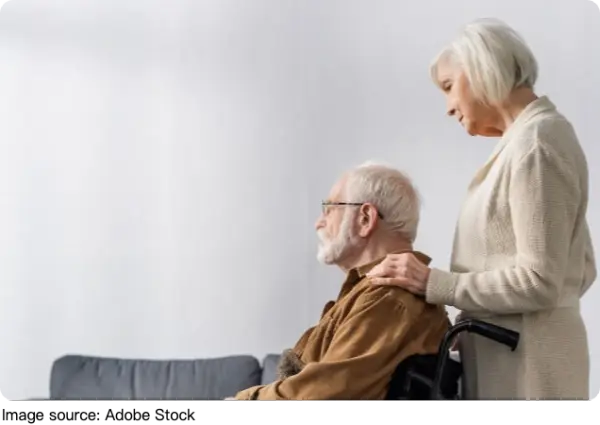
More importantly, the evolution of this industry reflects a broader societal shift — toward valuing quality of life, connectedness, and purposeful living in later years. As care models evolve, so too will our understanding of what it means to age well.