Tigers as Keystone Predators

Amit Sharma
| 02-03-2026
 · Animal Team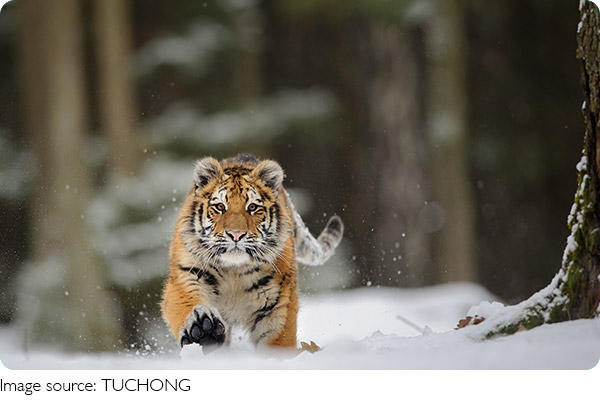
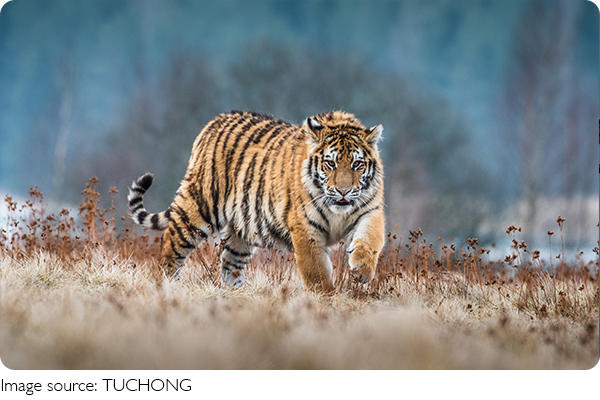
The dense forests and grasslands of Asia are not only home to diverse flora but also to one of nature's most formidable hunters: the tiger.
Observing a tiger in the wild, even from a distance, evokes awe, yet their influence goes far beyond their immediate presence.
Tigers play a pivotal role in maintaining ecological balance, subtly orchestrating the interactions between species and ensuring the health of their habitats.
Predator-Prey Dynamics
1.Regulating Herbivore Populations
Tigers primarily hunt large herbivores such as deer, warthog, and gaur. By keeping these populations in check, tigers prevent overgrazing, which can lead to soil erosion and depletion of plant diversity. For instance, in regions of India's Sundarbans, studies have shown that tiger predation helps maintain a balance between prey numbers and forest regeneration, preserving both undergrowth and canopy species.
2.Encouraging Healthy Prey
Tigers often target the weak, sick, or old members of prey herds. This selective predation ensures that the strongest and most resilient individuals survive to reproduce, improving the overall genetic health of herbivore populations. The ripple effect contributes to more robust, disease-resistant prey herds, which in turn support a more stable food chain.
3.Indirect Effects on Other Species
By controlling herbivore densities, tigers indirectly support smaller predators and scavengers. Reduced competition for food among carnivores allows species like leopards, jackals, and birds of prey to thrive. Additionally, leftover kills provide vital resources for scavengers, from vultures to small mammals, maintaining complex food webs.
Shaping Habitat Structure
1.Preserving Vegetation Diversity
With herbivores kept in check, plant life flourishes. Tree saplings and undergrowth that might otherwise be overconsumed have a chance to grow, fostering biodiversity. These plants, in turn, offer shelter and food for a variety of other species, from insects to primates.
2.Maintaining Wetlands and Water Sources
In ecosystems like the mangroves and floodplains of Southeast Asia, balanced herbivore populations prevent excessive grazing near water bodies. This helps maintain wetland vegetation, which is crucial for amphibians, fish, and migratory birds. Tigers' presence indirectly protects these delicate aquatic habitats.
3.Landscape-Level Impacts
Tigers, as apex predators, require large territories. Their roaming and hunting behaviors help connect fragmented habitats, facilitating seed dispersal and movement of other animals. This ensures that genetic diversity is maintained across populations and ecosystems remain resilient against environmental changes.
Conservation Implications
1.Apex Predator as an Indicator
The presence of a healthy tiger population indicates a well-functioning ecosystem. Areas with thriving tigers often host abundant prey, intact forests, and diverse flora and fauna, making tiger conservation a proxy for broader environmental stewardship.
2.Human-Tiger Coexistence
Protecting tigers also encourages sustainable land use, anti-poaching measures, and forest preservation. These efforts not only benefit wildlife but also support local communities through ecotourism and ecosystem services, creating a positive feedback loop for conservation.
3.Why Tigers Matter Beyond Their Species
Every tiger contributes to a cascade of ecological benefits. From controlling prey numbers to supporting vegetation and other wildlife, their role extends far beyond the hunting grounds. Losing tigers would disrupt these intricate systems, demonstrating why their survival is essential for global biodiversity.
Observing a tiger in its natural habitat is more than a visual spectacle—it is witnessing a keystone species at work. Their presence shapes forests, grasslands, and wetlands, sustaining life in myriad forms. Protecting these solitary hunters is ultimately protecting the balance of entire ecosystems, reminding us that the survival of one magnificent species can influence the fate of countless others.