Arctic Survival Skills

Nolan O'Connor
| 27-02-2026
 · Animal Team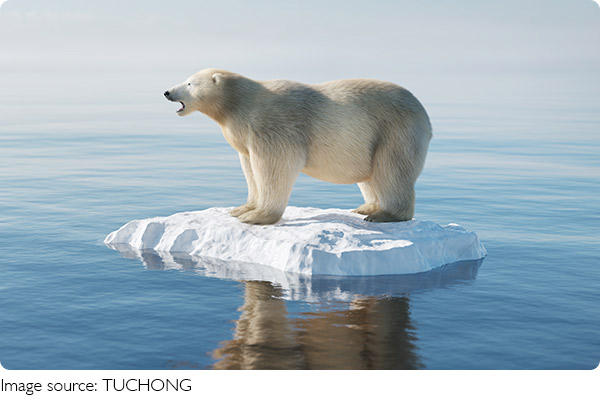
The Arctic wind bites, and the icy landscape stretches endlessly, yet polar bears roam these frozen expanses with an ease that seems almost magical.
Watching a polar bear gliding across the ice, it's hard not to wonder how such a massive creature survives temperatures that can plunge far below zero.
Their ability to endure extreme cold isn't luck—it's a combination of physical traits, clever behaviors, and keen instincts honed over millennia.
Thick Fur and Insulating Layers
Polar bears are built for insulation. Their fur isn't just white camouflage—it consists of two layers: a dense undercoat and longer guard hairs. These trap air, creating a natural layer of warmth. Beneath this, a thick layer of tissue beneath the skin—sometimes up to 4.5 inches thick—keeps the cold at bay, especially during months when food is scarce.
The guard hairs are water-repellent, so after swimming, polar bears dry quickly, reducing heat loss.
Their fur actually scatters sunlight, helping to absorb warmth from the environment even on cloudy days.
Actionable insight: Wildlife researchers studying thermoregulation have used these natural insulation strategies to inspire winter clothing designs that mimic trapped air layers.
Compact Body Features
Body shape matters in extreme cold. Polar bears have relatively small ears and tails, which minimizes heat loss. Their broad paws distribute weight over ice and snow, preventing them from sinking, but also help in retaining warmth by spreading the contact area.
Key adaptations include:
1. Rounded bodies that conserve heat more efficiently than elongated forms.
2. Shorter extremities that reduce the surface area exposed to frigid air.
3. Paw pads covered with fur, offering grip on slippery ice and insulation against frozen ground.
Behavioral Strategies for Cold Survival
Surviving the Arctic isn't just about biology; behavior plays a critical role. Polar bears choose specific resting spots, often in snow dens or wind-sheltered areas, to conserve energy and stay warm. They adjust their activity patterns, traveling at times when temperatures are relatively milder or ice conditions are safer.
Behavioral tactics include:
1. Curling into a tight ball when sleeping to minimize heat loss.
2. Digging snow pits that act as natural windbreaks during storms.
3. Swimming strategically to avoid overexposure to cold water, sometimes using short bursts rather than long continuous swims.
Hunting and Energy Conservation
Energy management is vital in an environment where food can be unpredictable. Polar bears primarily hunt seals, which provide highly concentrated nutrients necessary for maintaining body warmth. They use patience and stealth, conserving energy while waiting at breathing holes for hours rather than engaging in exhausting chases.
They often hunt during colder months when ice seals are easier to locate, maximizing nutrient intake before harsh winter periods.
Their metabolism slows during fasting periods, reducing energy consumption without compromising vital functions.
Actionable example: Observing how polar bears conserve energy while staying alert can inform survival techniques in extreme conditions for humans or other Arctic wildlife.
Swimming and Thermoregulation
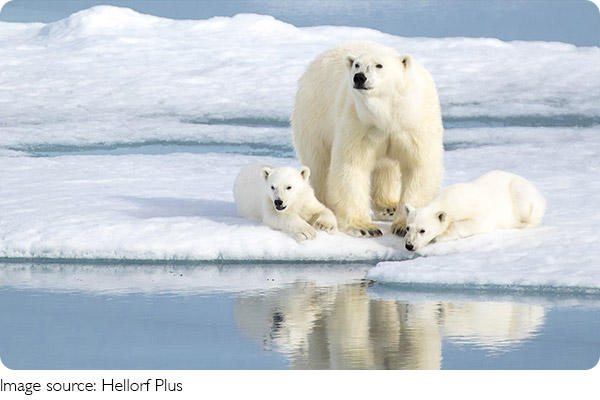
Polar bears are also exceptional swimmers, sometimes covering dozens of miles in icy waters. Their insulating tissue and fur trap warmth during these swims, and they alternate between paddling and floating to conserve energy. They can adjust their speed based on water temperature and current strength, balancing movement with thermal retention.
Swimming tactics include:
1. Pacing strokes to minimize muscle fatigue and heat loss.
2. Keeping head and upper body above water while letting lower body glide, conserving energy.
3. Using ice floes to rest and reduce exposure to freezing waters.
Even with these adaptations, polar bears are vulnerable to changing environments. Shrinking ice coverage and longer swimming distances test their survival strategies, highlighting the importance of every biological and behavioral advantage.
Seeing a polar bear thrive in temperatures that would freeze most animals reminds us of nature's ingenuity. From layered fur to calculated energy use, each adaptation serves a purpose. Observing and understanding these traits not only fascinates but also provides insight into resilience in the harshest conditions, offering lessons for wildlife conservation and human innovation alike.